
ABI can miss high-risk patients
In diabetes and chronic kidney disease, ABI alone can return false negatives and delay the next test.
A noninvasive, point-of-care Doppler platform designed to support vascular assessment. Arterial Intelligence works independent of pressure ratios and cuff occlusion.
Current screening methods leave room for improvement. The ankle-brachial index is fast and cheap, but for the patients who need it most, it’s also the least reliable.
In diabetes and chronic kidney disease, ABI alone can return false negatives and delay the next test.
Calcification makes arteries noncompressible. The current diagnostic workflow relies on blood pressure, so the test fails.
Found later, vascular disease is associated with worse outcomes and heavier treatment.
Sources: CDC, About PAD; Diabetol Metab Syndr 2024.
As disease narrows an artery, the Doppler waveform downstream changes in a recognizable way, and calcification doesn’t distort it the way it distorts cuff pressure. That’s the signal Arterial Intelligence is built around.
Sharp upstroke, brief reversal, small late forward wave.
The late forward wave drops out.
Slow rise, rounded peak, no reversal.
Waveforms are simplified illustrations, not output from the Arterial Intelligence platform.
Designed to support earlier identification and workflow efficiency.
A handheld probe captures arterial waveforms in minutes at the point of care. No cuff, no occlusion.
Software-supported waveform interpretation, intended to aid clinical assessment.
Structured output designed to fit the clinical workflow and help prepare guideline-directed next steps.







Chief Executive Officer
Biodesign trained. Mayo Clinic Gonda Vascular Center.
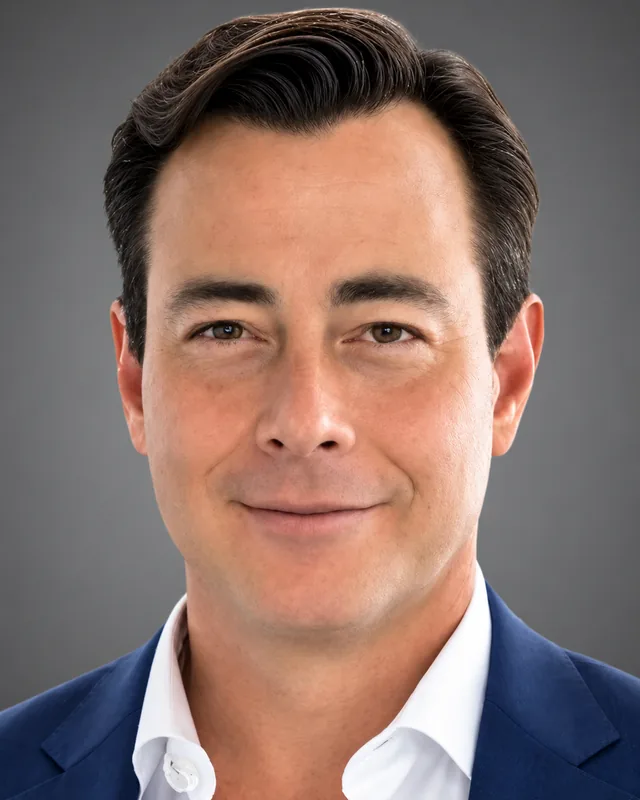
Chief Technology Officer
Engineer for DARPA, Medtronic, and Abbott. $100M raised and 3 medtech exits.
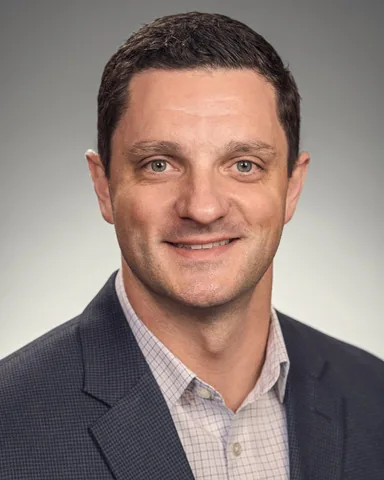
Head of Commercialization
20+ years in sales leadership. Led cardiovascular sales for J&J and Stryker.

Chair, Scientific Advisory Board
25+ years in cardiovascular medicine at Mayo Clinic. 200+ publications. Master of the Society for Vascular Medicine.

We’re speaking with clinical partners, health systems, and investors. Tell us a little about yourself.